Introduction
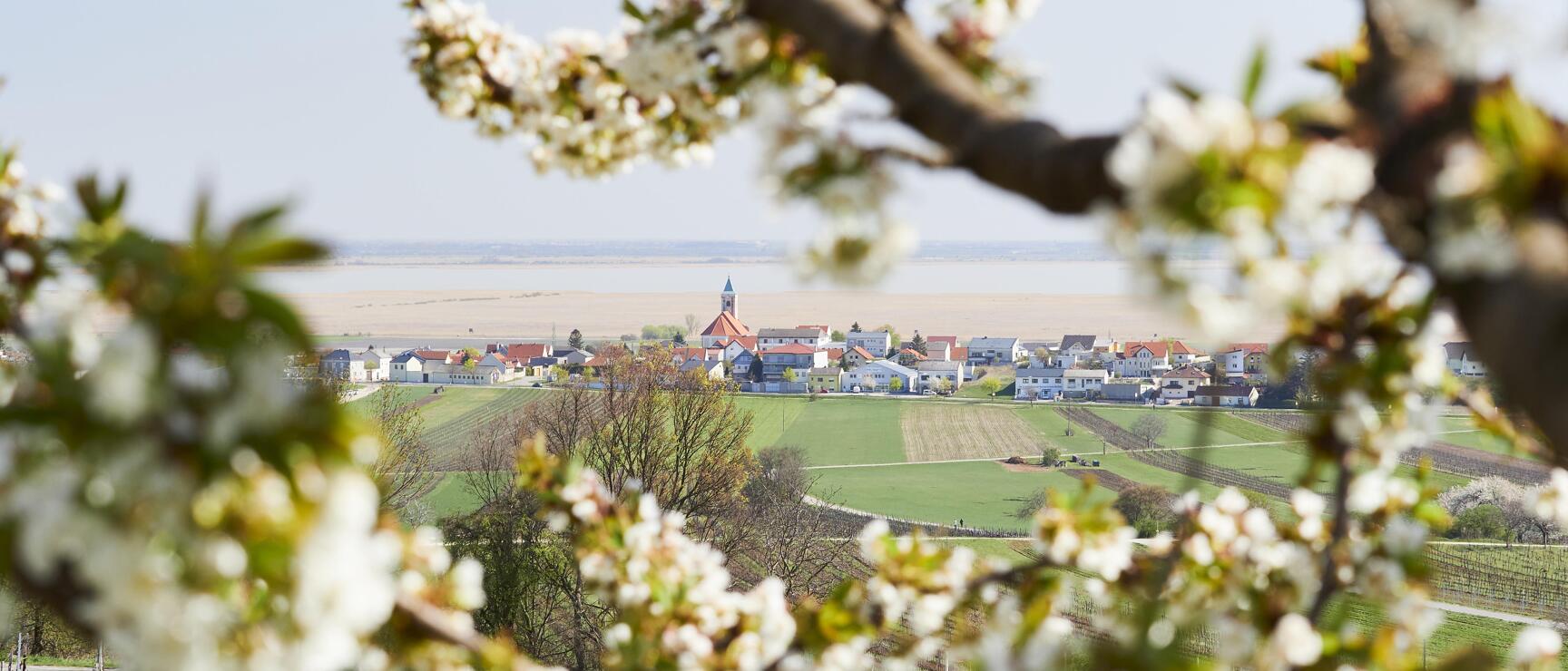
In Burgenland, varied landscapes meet a lively cultural scene. Gentle hills, expansive vineyards and broad stretches of shoreline shape this Pannonian region. Lakes, reed beds and villages with a clear, orderly character create spaces where calm feels entirely natural. Traditions remain visible in festivals, craftsmanship and music, while blending seamlessly with contemporary influences.
The warm, dry climate of the Pannonian plain, with around 300 days of sunshine a year, shapes both the wine and the cuisine. In country inns and Buschenschanken, regional ingredients are transformed into newly interpreted dishes, accompanied by distinctive red and white wines. Alongside long-established businesses, a younger generation of winemakers is bringing fresh ideas, combining craftsmanship with contemporary design.
Around Lake Neusiedl, a remarkable landscape opens up. This shallow steppe lake is one of the largest in Europe. Wide paths lead through the Neusiedler See-Seewinkel National Park, making the region a hub for cycling tours, birdwatching and nature experiences. More than 300 rare animal species find protected habitats here, and since 2001 the cultural landscape has been part of the UNESCO World Heritage list.
Eisenstadt is the cultural centre of the province. Esterházy Palace and Haydn's town combine Baroque architecture with concerts, festivals and contemporary programmes, set among historic lanes, museums and modern stages.
The province's thermal spas also focus on space and tranquillity. Here, glass architecture and natural open areas create a seamless transition from landscape to wellness. Many places combine a spa visit with regional cuisine, wine tastings and overnight stays in connected hotels. The result is a holistic stay that brings together relaxation, enjoyment and architecture.
Art, culture and exciting offers for the whole family - the Burgenland Card for the best experiences.
The calendar of events features a mix of traditional and modern highlights throughout the Burgenland.
Meet Burgenland
Top highlights
Tours
Regions
Cities and places
Top events
Famous personalities
The wine specialty from Southern Burgenland
Pale pink, cherry red or light yellow: The Uhudler comes in various colours, is part of the identity and culinary tradition of Southern Burgenland, and is cultivated across 300 hectares. Its bouquet carries aromas of wild berries, raspberries, strawberries, and a hint of "foxton".
This fruit wine originates from American grapes (Concord, Delaware, Elvira, Ripatella), is highly resistant to pests and fungal diseases, and is produced as a pure natural product. Uhudler reaches its optimal drinking maturity after 2 to 10 years, with an alcohol content of 10 to 12 percent by volume.
Uhudler viticulture was banned until the 1990s due to scepticism towards these direct-producer varieties, but this was later disproven. Since then, the cultivation of Uhudler has been permitted in Burgenland.
Recipes
Unique places to stay
Burgenland as a role model for sustainable travel
Burgenland is the first province in Austria where every region has been doubly recognised: Nordburgenland, Mittelburgenland–Rosalia and Südburgenland are all equally proud to hold certification with the Austrian Ecolabel for Destinations as well as the internationally recognised TourCert seal.
In Burgenland, responsibility for people, animals and the environment plays an important role – something you can experience and feel in many ways on holiday. Immerse yourself in protected natural habitats. Discover cultural traditions. Stay in one of the many sustainable accommodations. Join guided tours in nature that use resources with care, and take advantage of the well-developed public transport network. Travelling sustainably in Burgenland couldn’t be easier.
Dialect in Burgenland
From Kuh to Khui – in Burgenland, they speak the Ui dialect. Known as Hianzisch, this dialect is part of the Central Bavarian group and was once widely spoken, even reaching Vienna during the Austro-Hungarian Empire. This meant that Burgenlanders spoke the same dialect as Empress Elisabeth and would have understood each other perfectly at the time.
Today, however, the Burgenland dialect is slowly fading, influenced by the linguistic trends from Vienna and Lower Austria.