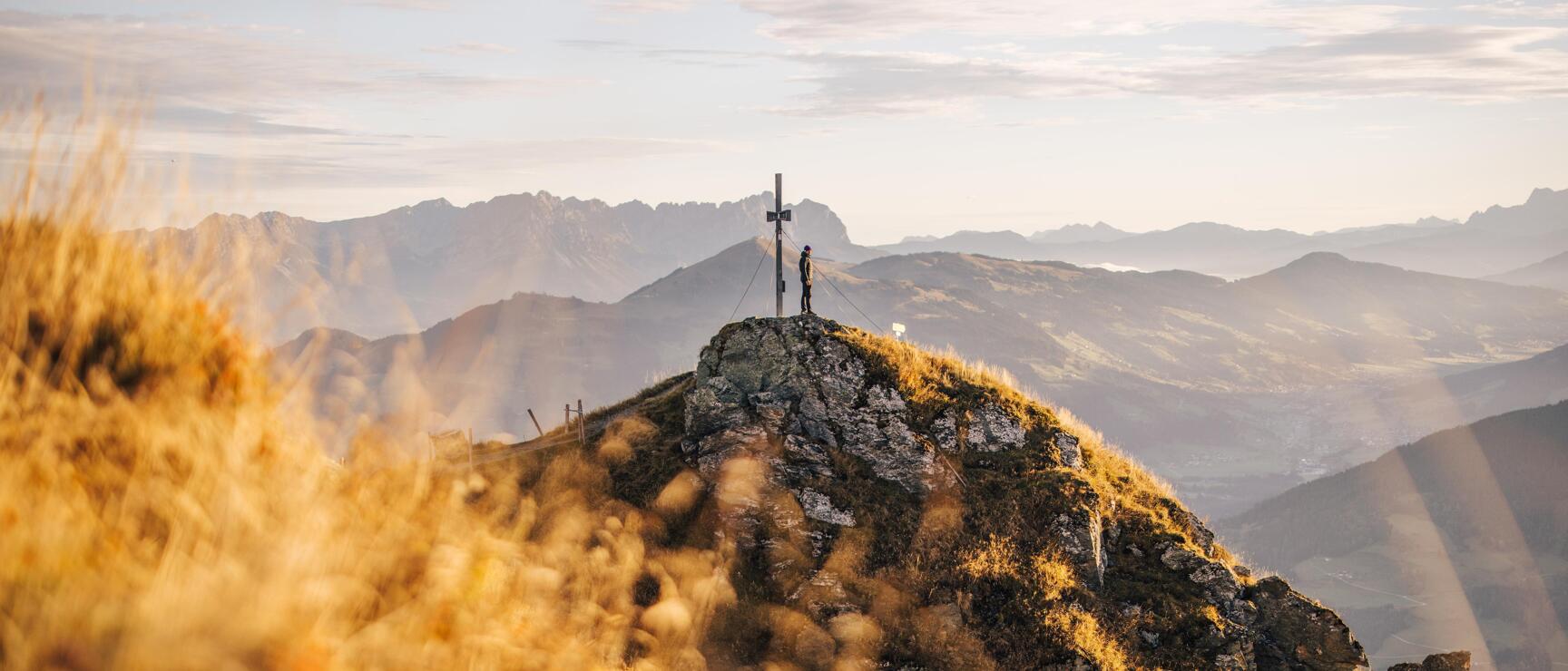
The Alps in Austria
A natural spectacle of beauty
Introduction
The Alps cover almost two-thirds of Austria and shape its landscape, culture and way of life. Between rugged three-thousand-metre peaks, forests, alpine pastures and clear lakes unfolds a natural world full of contrasts. High up, eternal ice glistens; further down, deciduous and coniferous forests alternate with mountain villages and meadows. This diversity makes the Alps not only a habitat for marmots, golden eagles and rare plants, but also a place of age-old tradition.
Whether hiking, climbing, mountaineering or skiing – the mountains are both an adventure playground and a place of retreat in summer and winter alike. Clear mountain air, breathtaking views and the tranquillity away from the crowds reveal what makes Austria’s Alps so special: they are the country’s heart, source of strength and place of inspiration all in one.
Hiking, skiing and other mountain activities
Discover the Alps and their stunning nature on summer hikes, mountain bike trails, climbing tours, on skis or through a variety of other winter sports.Alpine cities & places
Bregenz on Lake Constance, Innsbruck with its mountain panorama, the historic streets of Salzburg, and Lienz in East Tirol - urban hotspots, influenced by mountains, traditions and alpine Lebensgefühl.Mountaineering villages in the Alps
Scattered across the Alpine regions, these villages remain quietly hidden: far from noise and hustle, time seems to have stood still in these mountaineering villages. And that’s intentional – their charm lies in tradition, authenticity, and culture. The alpine atmosphere and typical mountain village life have been preserved.
Here are the top 6 mountaineering villages: Lesach valley (Carinthia), Vent in the Ötztal Valley (Tirol), Biosphere Park Großes Walsertal (Vorarlberg), Hüttschlag in the Großarl Valley (SalzburgerLand), Villgraten Valley (East Tirol), and Krakau (Styria).
Alpine Cuisine
With simple ingredients yet remarkable skill, Alpine cuisine shines. It’s both hearty and modern, crafted by renowned, award-winning chefs.Alpine craftsmanship, traditions and festivals
The isolation and long winters inspire each generation to express their creativity. Traditions are refined and carried forward, transformed for the present day. In this way, craftsmanship and artisanal workshops remain alive and thriving.Events in the Alpine regions
Information about summits, lakes and valleys
The Alps stretch from the Vorarlberg Rätikon in the west to the Gutenstein Alps in the east.
The Großglockner is the highest mountain in Austria at 3,798 metres, the Pasterze is the largest glacier in the Eastern Alps.
Lakes surrounded by mountains give the Alps their special charm - like Lake Weissensee, Achensee or the Salzkammergut lakes.
Popular among hikers as special natural jewels: The Zillertal Alps and the Hohe Tauern.
Many great hiking routes, tours, hiking villages and alpine pastures can be found in the Ötztal Alps discover
The Alps are divided by mighty rivers such as the Inn and the Salzach.
FAQs
How do we protect the Alps?
Take everything you bring to the mountains back with you (tissues, packaging, water bottles), and dispose of it properly.
Always stay on marked hiking trails to avoid disturbing wildlife and young forests.
Observe wildlife, including cows and sheep, from a respectful distance.
Make use of the well-developed network of regional trains and hiking buses.
Choose mountain huts that are committed to sustainability and environmental protection.
Encourage your children to appreciate nature - what they know, they’ll learn to value.
Protect biodiversity: The rangers in the national parks show you how.